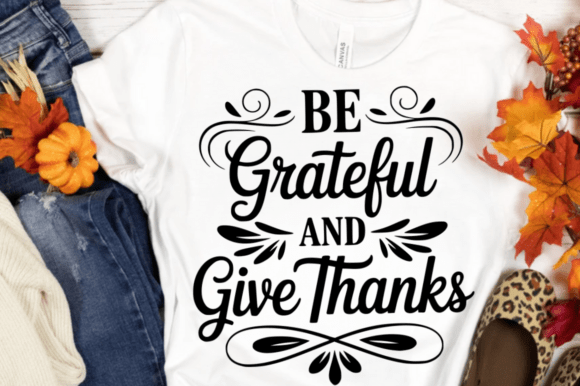
Be Grateful and Give Thanks SVG Design
As an embroidery designer with years of experience, I’ve seen my fair share of digital files. But when I came across the Be Grateful and Give Thanks SVG Design, it immediately caught my attention. The simplicity of the message, combined with its visual appeal, makes it a strong candidate for a wide range of projects. Whether you're working on custom apparel, personalized gifts, or small business merchandise, this design has potential—but it’s not without its considerations.
The First Impression
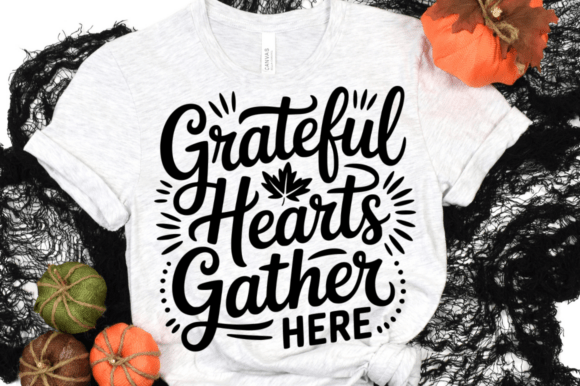
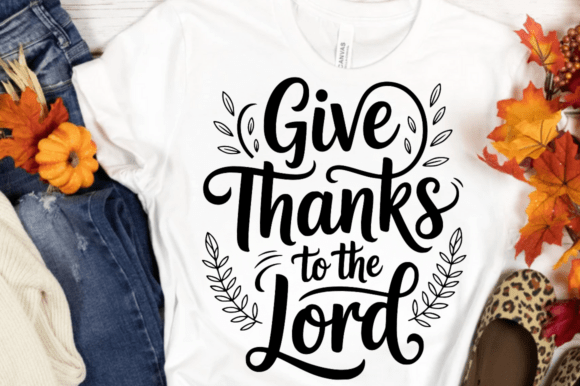
From the moment I opened the Be Grateful and Give Thanks SVG Design, I noticed its clean layout and thoughtful spacing. The quote is centered and balanced, making it ideal for a variety of embroidery applications. The typography is elegant but not overly ornate, which means it can work well in both casual and more formal settings. The design feels like a natural fit for gratitude-themed items, especially around holidays, weddings, or as a heartfelt gift.
The level of detail is moderate—enough to make the design stand out but not so intricate that it becomes a challenge for beginners. It’s clear that the designer considered how the text would translate into stitches, which is crucial for a successful embroidery project.
Real-Life Embroidery Applications
I tested the Be Grateful and Give Thanks SVG Design on a few different fabrics to see how it would perform. On a standard cotton tote bag, it looked great. The satin stitch filled in smoothly, and the lettering was sharp. For a sweatshirt, the design also worked well, though I made sure to use a proper stabilizer to prevent puckering, especially on the larger areas of fill stitch.
For baby clothes, I found that the design could be scaled down slightly to fit better on onesies or sleepers. The font size was appropriate, but I’d recommend adjusting it if you’re working with smaller spaces. It also performed well as an embroidered patch, where the clarity of the text was important for readability.
On a pillow cover, the design added a nice touch of personalization. The contrast between the white thread and the fabric background was good, but I noticed that on darker materials, the design could appear a bit washed out unless the thread color was adjusted accordingly.
Where to Use It Carefully
While the Be Grateful and Give Thanks SVG Design is versatile, there are some situations where it might not be the best choice. For example, on very small hoop sizes, the design could become too tight, leading to stitching issues. If you're working with textured or stretchy fabrics, you may need to adjust your stabilizer or hoop setup to ensure the design stays in place during the embroidery process.
On thin or dark fabrics, the design might require a different thread color to maintain visibility. Tiny lettering or detailed corners could be problematic if the file isn’t optimized for those elements. I also found that on curved surfaces like caps, the design needed some minor adjustments to align properly with the curve of the garment.
For commercial projects, it’s important to check the licensing terms before using the design in finished products or digital downloads. Even though the product description mentions it includes SVG, EPS, DXF, and PNG files, I recommend verifying the exact terms to avoid any legal issues.
Impact on Visual Appeal and Customer Perception
The Be Grateful and Give Thanks SVG Design adds a sense of warmth and sincerity to any project. When used correctly, it can elevate the perceived value of a handmade product or custom apparel. Customers often respond positively to messages of gratitude, especially when they’re looking for meaningful gifts or personalized items.
As an Etsy seller or small shop owner, this design could be a valuable addition to your product line. It’s perfect for holiday gifts, wedding favors, or even as a printable mockup for client presentations. The design’s simplicity also makes it easy to pair with other elements, such as borders, icons, or additional text.
When it comes to brand consistency, the Be Grateful and Give Thanks SVG Design can help reinforce a positive, thoughtful image. Whether you're creating a boutique product or a craft fair item, the design can contribute to a cohesive look that resonates with your audience.
Practical Designer Notes
Before finalizing any project with the Be Grateful and Give Thanks SVG Design, I always recommend testing it on scrap fabric first. This helps you assess how the stitches will look and whether the design needs any adjustments. Checking thread color contrast is also essential, especially if you're working with dark or patterned materials.
Reviewing the stitch density is another key step. If the design is too dense, it might cause the fabric to pucker or the threads to break. Confirming the correct hoop size ensures that the design fits comfortably and doesn’t get distorted during the embroidery process.
Inspecting small details like corners and lettering can make a big difference in the final result. Testing the design in black and white mockups helps you see how it will look on different backgrounds. Comparing it on light and dark fabrics gives you a better idea of how to adjust the thread colors for optimal visibility.
Proper stabilizer use is crucial, especially on delicate or stretchy fabrics. Making sure the design works for both personal and commercial projects is also important. If you plan to sell finished items or digital products, double-check the licensing terms to avoid any issues.
Final Thoughts
The Be Grateful and Give Thanks SVG Design is a solid choice for a variety of embroidery projects. Its clean layout, thoughtful design, and emotional message make it a versatile asset for crafters, designers, and small business owners. With proper preparation and attention to detail, it can enhance the quality and appeal of your handmade products or custom apparel.
Whether you're creating a personalized gift, a holiday decoration, or a boutique item, this design has the potential to add value and meaning to your work. Just remember to test it thoroughly, consider the fabric and project type, and follow best practices for embroidery success.